Sintra Portugal
The most popular day trip from Lisbon is to spectacular Sintra Portugal. This magnificent old town nestled in the hills is dotted with colorful castles, pristine palaces, royal residences, and cool vibes. While you can get a taste of Sinta’s extraordinary history in a day, in my experience, spending a few days here is well worth it.

Discover Sintra – An Old Town Steeped in History and Fairytale Charm
Nestled in the lush hills of the Serra de Sintra, just a stone’s throw from Lisbon, lies the enchanting town of Sintra. This picturesque destination is a dream come true for travellers seeking a blend of history, culture, and natural beauty. Sintra’s colorful past, characterized by royal palaces, romantic gardens, and a unique blend of architectural styles, offers a delightful escape from the hustle and bustle of modern life.
Castles of Sintra Portugal
Sintra is synonymous with castles, and it’s impossible to talk about this town without mentioning its most iconic structures. Here are some of my favorites:

Pena Palace
Pena Palace stands out as a fairytale castle that looks like it’s been plucked straight from a storybook. Built in the 19th century atop the ruins of a monastery, the palace is a vivid fusion of Neo-Gothic, Neo-Manueline, Neo-Islamic, and Neo-Renaissance styles. Wandering through its ornate rooms and terraces, you can almost hear the whispers of its royal past.
Moorish Castle
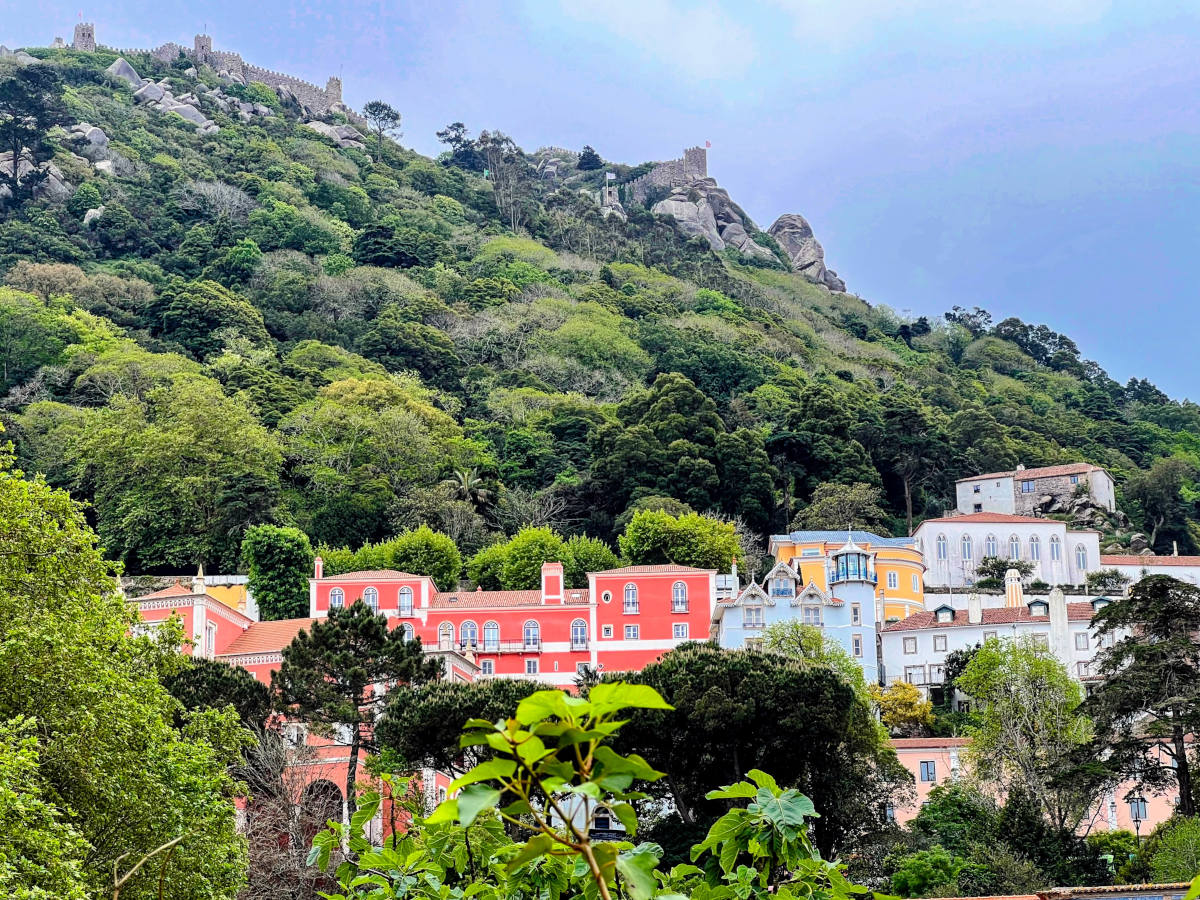
Not far from Pena Palace is the Moorish Castle, an imposing fortress that dates back to the 8th and 9th centuries when the Moors ruled the region. The climb up to this castle is a journey in itself, with winding paths offering stunning views of the surrounding landscape. Once at the top, the castle’s ancient walls and towers provide a tangible connection to Sintra’s medieval history.
Quinta da Regaleira
Another must-see is the Quinta da Regaleira, a mystical estate with a palace, chapel, and luxurious park featuring lakes, grottoes, wells, and fountains. The highlight here is the Initiation Well, a spiral staircase descending into the depths of the earth, which is said to have been used for secretive Masonic rituals.
Park and Palace of Monserrate
The Park and Palace of Monserrate in Sintra is a captivating blend of architectural beauty and lush botanical gardens. This 19th-century palace, inspired by Gothic, Moorish, and Indian styles, is surrounded by an extensive park featuring exotic plant species from around the world. Monserrate Palace stands as a prime example of Romanticism in Portugal. The intricate design of the palace, combined with the serene ambiance of the gardens, creates a picturesque retreat that enchants visitors with its harmonious blend of nature and artistry.
National Palace of Sintra
The National Palace of Sintra is a stunning testament to Portugal’s rich history and architectural evolution. Located in the heart of Sintra, this palace boasts a mix of architectural styles, reflecting the eclectic tastes of its royal occupants over many centuries. Construction began in the early 15th century under King John I, making it one of the oldest royal palaces in Portugal. The palace served as a summer retreat for the Portuguese monarchy, who appreciated its cool climate and serene surroundings.
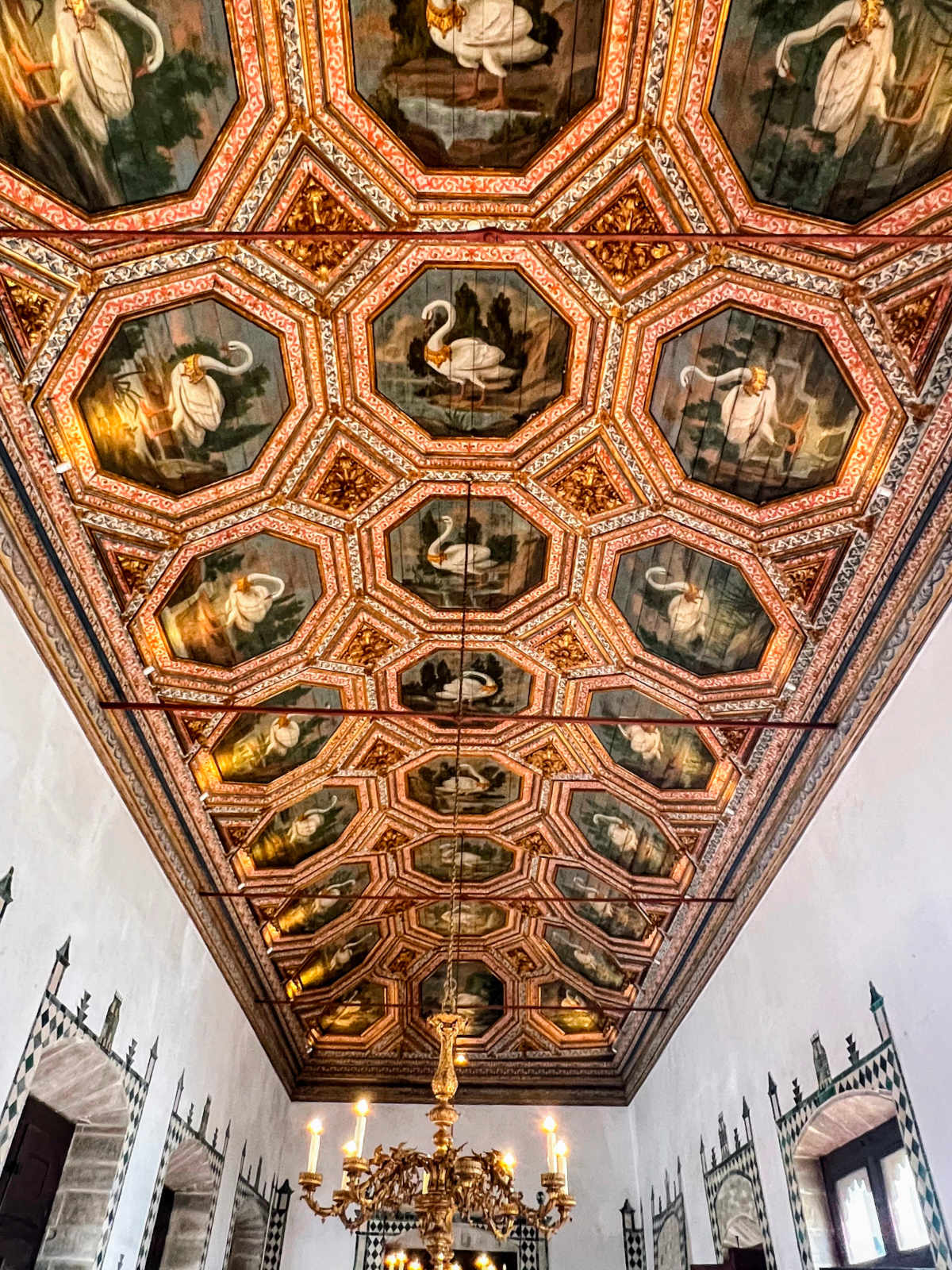
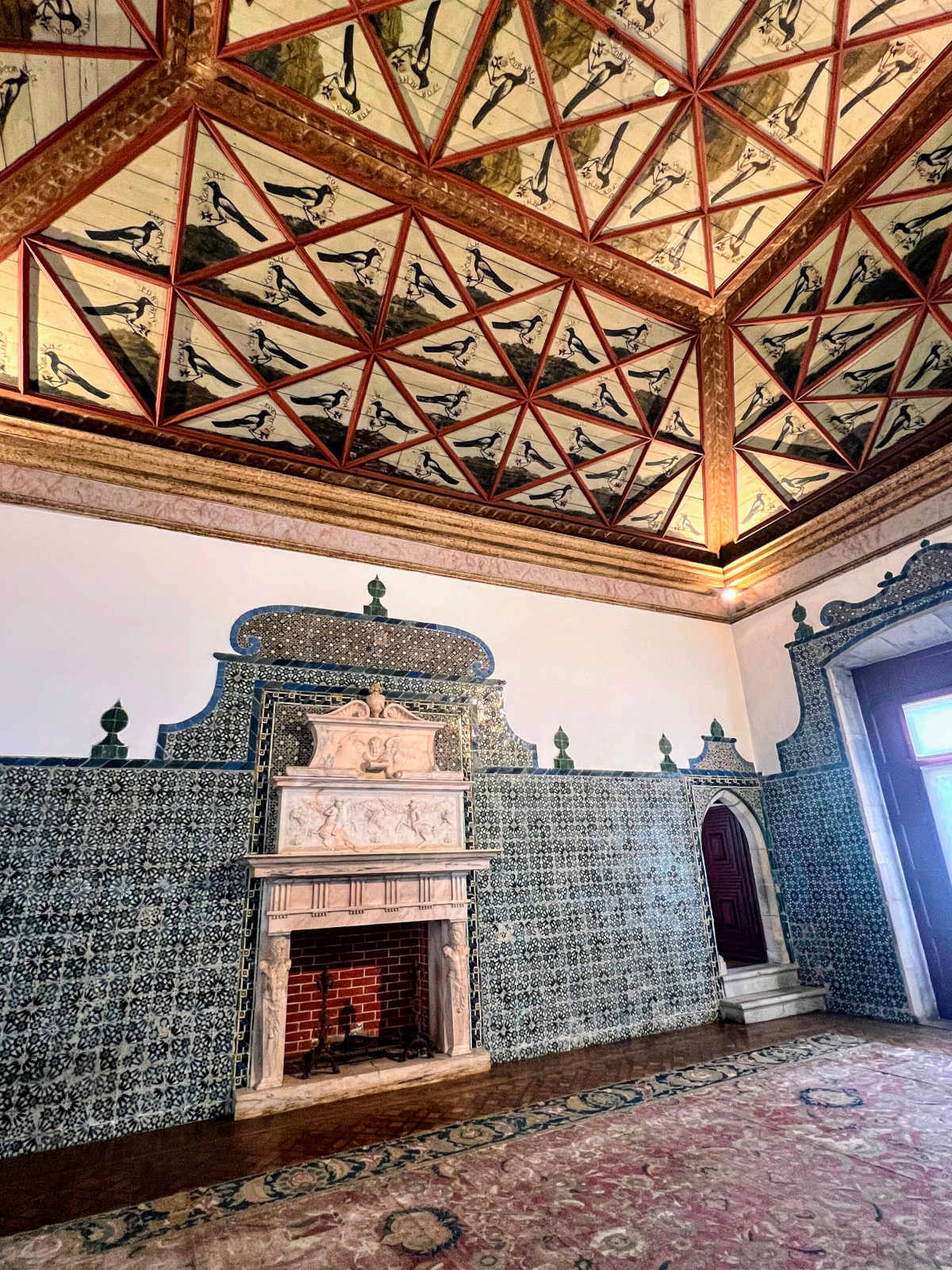
One of the palace’s most distinctive features is its pair of massive conical chimneys, which dominate the skyline and have become a symbol of Sintra. Inside, the palace is adorned with intricate azulejos (decorative tiles), elegant courtyards, and grand halls. Notable rooms include the Swan Room and the Magpie Room, each named for their unique ceiling decorations. The National Palace of Sintra offers visitors a fascinating glimpse into the opulence and artistry of Portugal’s royal past. It’s one of my favorites.
If you are heading to the Algarve as well, be sure to ready my comprehensive guide on things to do in Faro as well, I spent 2 weeks there and loved it!
Beaches in Sintra Portugal
While Sintra is famed for its castles, the region is also home to some breathtaking beaches that offer a serene contrast to its historical sites. And when the Old Town is heaving with sightseeing crowds in the summer months, the beaches offer some delightful respite.
Praia da Adraga
Pretty Praia da Adraga is a hidden gem, surrounded by dramatic cliffs and caves. It’s perfect for those looking to relax and soak up the sun or explore the fascinating rock formations and marine life in the area.
Praia da Adraga is about a 20 minute drive from Sintra. You can get there by a combination of public transport and walking in about one and a quarter hours, but my recommendation is Uber.
Praia das Maçãs
Another beautiful spot is Praia das Maçãs, a family-friendly beach with a wide stretch of golden sand and clear waters. The beach is easily accessible by the historic tram that runs from Sintra, adding an extra layer of charm to your beach day.
Praia Grande
For surfers and those seeking a bit more adventure, Praia Grande is the go-to destination. This expansive beach is famous for its excellent waves, making it a hotspot for both locals and visitors looking to ride the thrilling Atlantic swells.
Day Trip to Sintra Portugal
A day trip to Sintra from Lisbon is a fantastic experience for anyone visiting Portugal. And while a day trip is awesome, if you can stay for a few days, that’s even better!
My advice is to start as early as you can to make the most of your time in this magical town.
Catch a regular commuter train from Rossio station in Lisbon and watch the world go by for 40 minutes. Alternatively, catch a train from Gare de Oriente and travel for 45 minutes.
When you arrive at the train station in Sintra, head straight to Queijadas da Sapa (a very old bakery) near the station. You must try their queijadas – sweet cheese pastries – which are a Sintra specialty.
Then onto the 434 bus (see below for details) and head to Pena Palace. Whether you choose to tour the inside of the palace or just walk around the outside, the vibrant colors and intricate details are marvelous. Next, take a short 15 minute walk to the Moorish Castle. From there you can enjoy the panoramic views of the region.
After soaking in the historical ambiance, head to the town center for a leisurely lunch. Sintra is dotted with charming cafes and restaurants where you can sample local delicacies like travesseiros. Traditionally these flaky pastries are filled with almond cream, but today they come in a range of flavors. I like the apple filled pastries best.
Lisbon to Sintra Tips
1. Start early in the day to beat the crowds and maximise your time.
2. Sit on the left side of the train from Rossio Station (Lisbon) to Sintra for a great view of the Águas Livres Aqueduct!
3. Book castle/ palace entry tickets in advance.
4. The town is very hilly with cobbled streets. If you have mobility issues, I recommend a private car or tour.
5. If you can stay a few days in Sintra, I highly recommend you do so!
In the afternoon, walk through the town to Quinta da Regaleira to explore its enchanting gardens and mysterious wells. Be aware that the Initiation Well is not suitable for people with mobility or joint issues; it involves many steep stone steps that can be set and slippery.
Then head back into town to visit the National Palace of Sintra, the best-preserved medieval royal residence in Portugal, featuring distinctive twin chimneys and a stunning collection of azulejos (decorative tiles). The herald room will leave you speechless!
There are plenty of restaurants and cafes in Sintra to choose from for dinner and drinks, before getting an evening train back to Lisbon. A very full but hugely enjoyable day you’ll never forget!
Bus 434 Sintra Portugal
Navigating Sintra can be a bit of a challenge, in all honesty. There are some steep, narrow, one-way roads, and – sometimes – lots of cars! Thankfully there is a great bus service that does lots of the hard work for you! Bus 434 provides a convenient way to see the main sights without the stress of driving or hiking steep hills. Known as the ‘Circuito da Pena’, this loop connects the train station with major attractions like Pena Palace, the Moorish Castle, and the town center.
Bus 434 runs frequently, especially in peak season, so it’s easy to hop on and off while you explore Sintra’s highlights. The route is designed to cover the steep inclines and winding roads of the area, providing an efficient way to get around. Plus, the bus drivers are usually friendly and knowledgeable, often sharing interesting tidbits about the sites along the way!
I was very thankful for the 434 bus waiting outside Pena Palace when I finished very late in the day. I had hoped to get an Uber back to my hotel, but no Uber drivers were prepared to travel so far out for a one-way fare back into town! Luckily the 434 was right outside and waiting. Perfect!
Exploring Sintra’s Enchanted Gardens and Parks
Beyond its majestic castles and serene beaches, Sintra is also renowned for its lush gardens and parks.
Park and Palace of Monserrate
I told you earlier about the Park and Palace of Monserrate; it really is a hidden treasure. The gardens are stunning and the botanical collection includes species from around the world. The unique and tranquil atmosphere is perfect for a leisurely stroll or a sunny day picnic.
Sintra-Cascais National Park
The Sintra-Cascais Natural Park is another highlight, offering a mix of dense forests, rugged cliffs, and scenic hiking trails. It’s an excellent spot for nature lovers and outdoor enthusiasts looking to explore the region’s diverse landscapes.
Parque da Liberdade
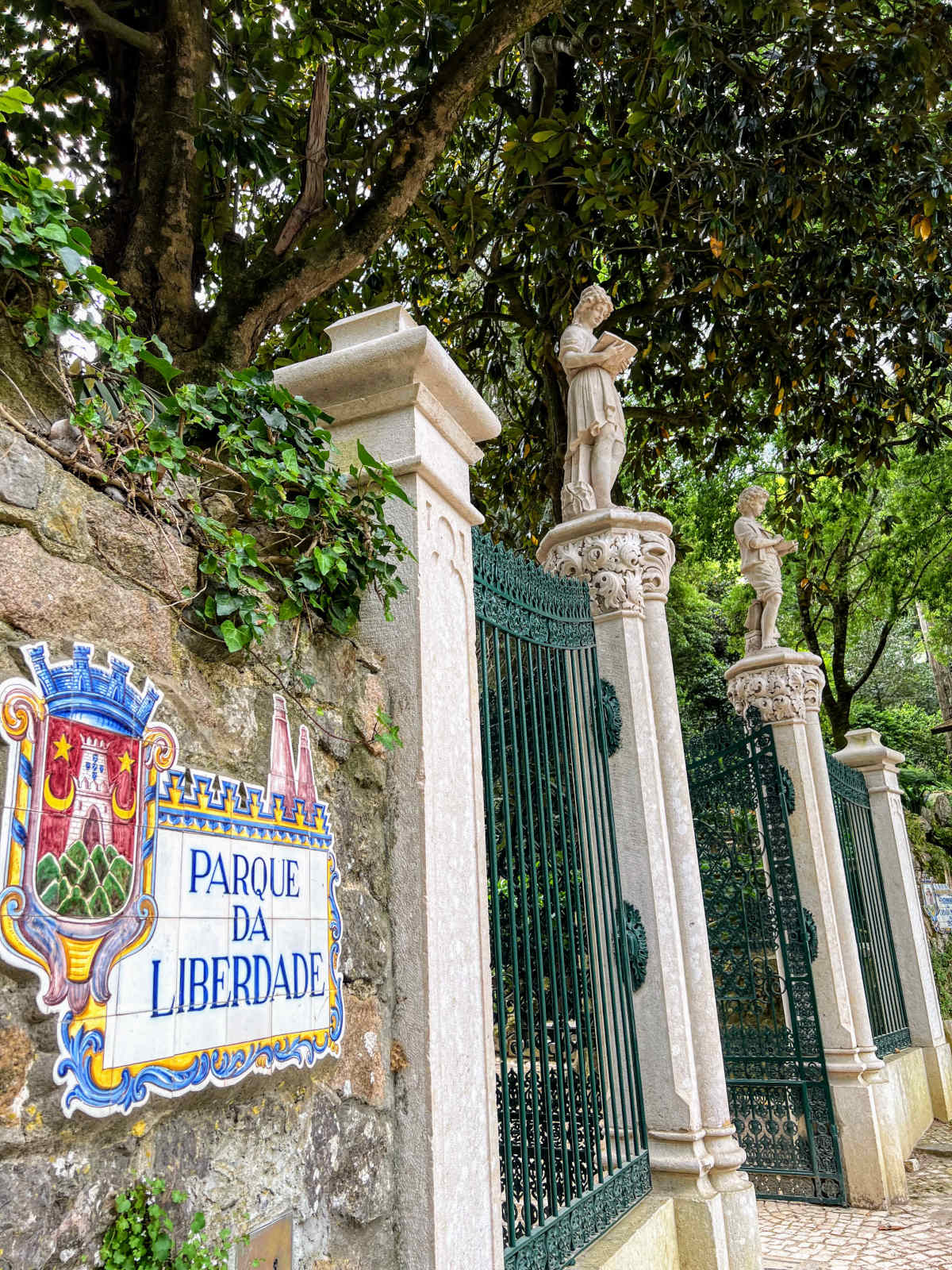
On the main road between the train station and the Old Town sits the delightful Parque da Liberdade – Liberty Park. Parque da Liberdade is a lush oasis that contains 900 species of plants including ten that are endemic to Sintra. It’s well worth a stop here on your way up to or down from the Old Town.
dining and Shopping in sintra Portugal
Dining is Sintra is both easy and delicious! You’ll find quaint little cafes sitting comfortably beside fine dining restaurants, and everything in between. But did you know that Sintra has its own culinary specialties? Try local delicacies like travesseiros (flaky pastries filled with almond cream) and queijadas (sweet cheese tarts). Or if savory dishes are more your thing… Bacalhau à brás (shredded cod with potatoes and eggs) and carne de porco à alentejana (pork with clams) showcase the rich flavors of Portuguese cuisine.
There are some great shopping experiences in Sintra, too. Wander through the narrow streets of the historic center, where you’ll find an array of boutiques and craft shops. There are the colorful, relatively new sardine tin shops nestled next to old traditional ginja liqueur stores. Or pick up some traditional Portuguese tiles or hand-painted ceramics to take home as a souvenir of your trip.
Be aware that Sintra old town is almost exclusively geared to tourists. If you’re looking for the ‘real’ Sintra, you’ll have to head into the ‘new town’. There, you’ll find local people, supermarkets, shops, cafes, businesses etc – and cheaper prices!
A Glimpse into Sintra’s Colourful History
Sintra’s history stretches back thousands of years, showcasing a rich tapestry of cultural influences and historical milestones. The area saw its earliest settlers, the Celts, in the 5th century BC. Then followed the Roman era when the area, known as “Cynthia” saw significant development. The Moors left a lasting mark in the 8th and 9th centuries with the construction of the Moorish Castle. This strategic outpost played a crucial role during the ‘Reconquista’ and was captured by Afonso I of Portugal in 1147. That marked a pivotal moment in the Christian re-conquest of the Iberian Peninsula.
The medieval period saw Sintra flourish as a retreat for Portuguese nobility, with the construction of the National Palace of Sintra in the early 15th century under King John I. The palace became a summer residence for the royal family, showcasing a mix of Gothic, Manueline, and Mudéjar styles. The 19th century brought a transformative era under King Ferdinand II, who began constructing the Pena Palace in 1838 atop the ruins of an old monastery. Completed in 1854, this palace is a whimsical mix of architectural styles, reflecting Ferdinand’s eclectic tastes and visionary spirit.
Sintra’s mystique continued with the early 20th-century construction of the Quinta da Regaleira. This estate is renowned for its elaborate gardens, underground tunnels, and the enigmatic Initiation Well. Throughout the 20th century, Sintra attracted artists and intellectuals, drawn by its ethereal beauty and historical depth. In 1995, the ‘Cultural Landscape of Sintra’ was designated a UNESCO World Heritage Site. This recognises Sintra’s unique blend of natural and cultural elements, and highlights Sintra’s significance as a place where nature and human creativity have harmoniously coexisted for centuries.
Practical Tips for Visiting Sintra
- Timing is Everything. To avoid the crowds, try to visit popular attractions early in the morning or later in the afternoon. Weekdays are generally less busy than weekends.
- Wear Comfortable Shoes. Sintra’s hilly terrain and cobblestone streets can be challenging to navigate. Make sure to wear comfortable footwear suitable for walking.
- Pack Light. While the weather in Sintra is generally mild, it can change quickly. Bring a light jacket or sweater, especially if you plan to visit the higher altitudes around Pena Palace.
- Buy Tickets in Advance. Most of Sintra’s attractions offer online ticketing options, which can save you time and hassle. Consider purchasing tickets in advance to skip the lines and make the most of your day. I especially recommend pre-purchasing tickets in the summer/ peak periods.
My Final thoughts on Sintra Portugal
Sintra is more than just a day trip from Lisbon; it’s a journey into a world of enchantment and wonder! Whether you’re exploring majestic castles, relaxing on pristine beaches, or wandering through lush gardens, Sintra offers a magical escape that will leave you captivated. So pack your bags, hop on the train, and get ready to discover the fairy-tale charm of Sintra, Portugal.